There’s no shortage of food myths out there, and this one comes up every year. Does eating turkey on Thanksgiving cause us to be sleepy?
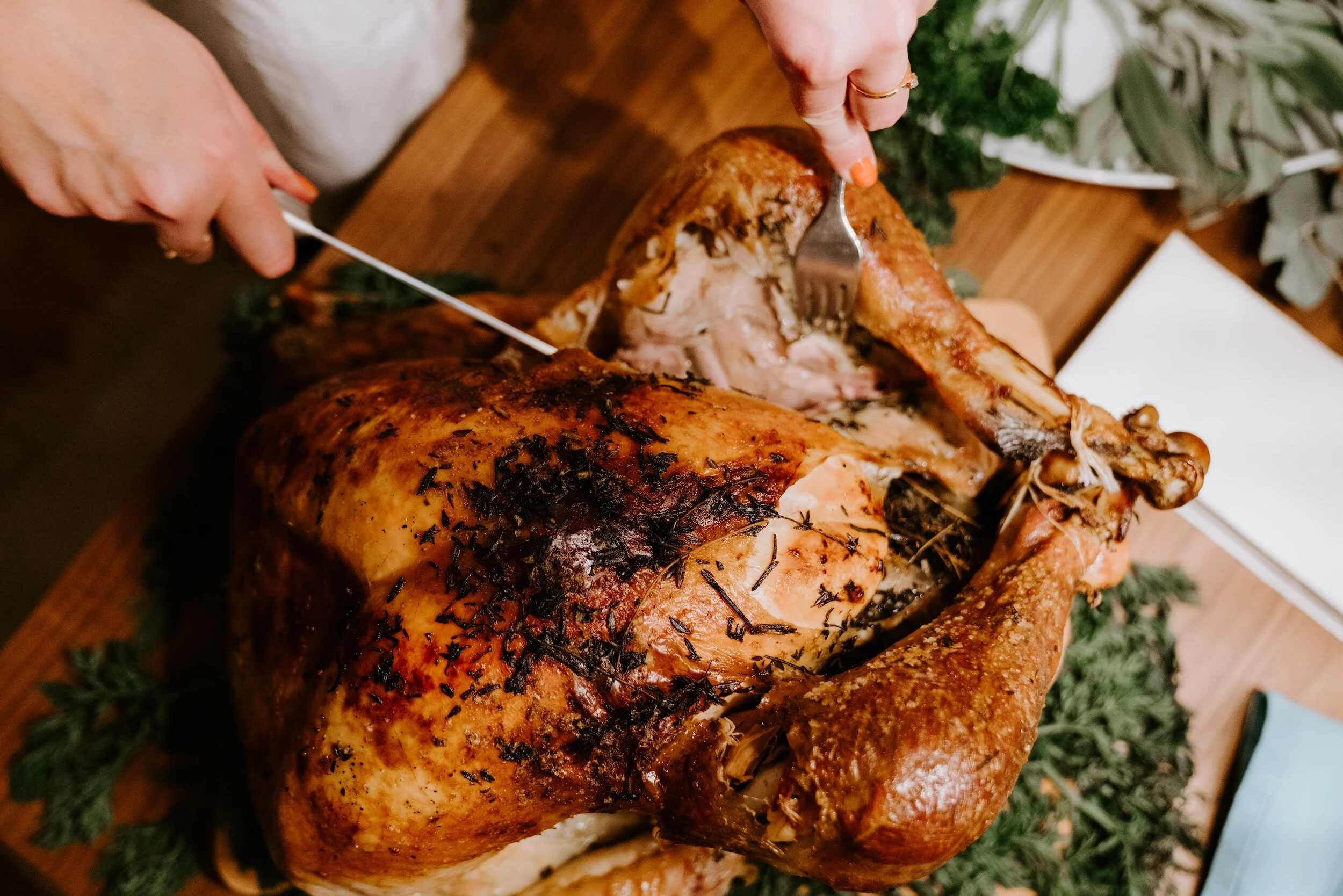
Well, that’s a yes and no answer. Here’s the truth about the turkey we gobble on Thanksgiving. Turkey, in fact, does contain tryptophan, an essential amino acid that helps make serotonin and melatonin, both of which can influence sleep, although generally not immediately just from eating some turkey. Plus, most meats, poultry, seafood, dairy foods, and eggs contain tryptophan, so it’s not just the turkey at work here.
So what’s really inducing that ‘post-Thanksgiving-dinner-hangover-nap’? It’s actually all the carbohydrate-rich foods on the holiday table! The mashed potatoes, the marshmallow-covered yams, dinner rolls, macaroni and cheese, and that sweet slice of pumpkin pie. These popular side dishes are often taking up a large portion of our Thanksgiving plate and we may eat more than we normally do since we often wait all year for some of these special holiday dishes.
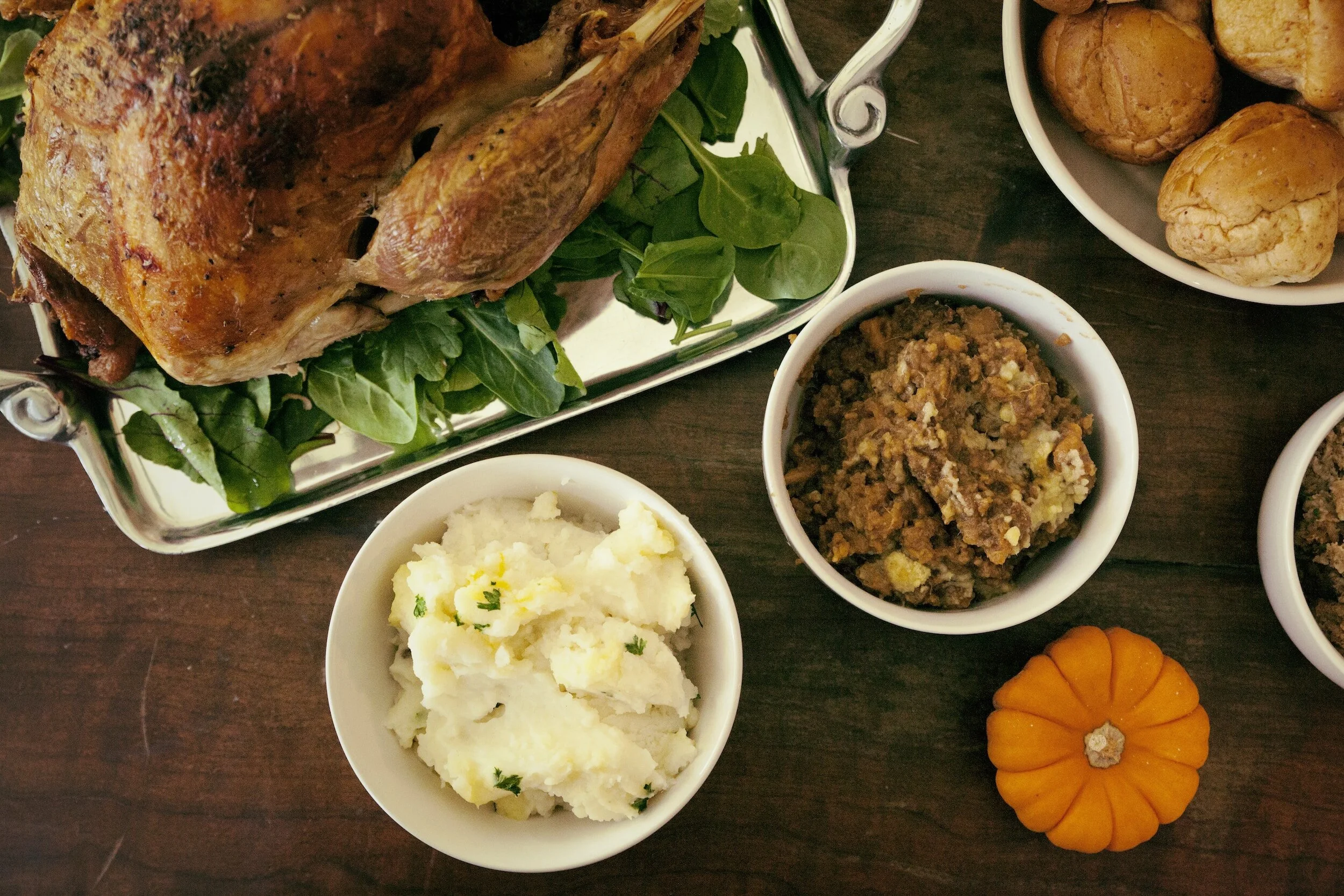
When we eat, insulin is released by the pancreas to help break down fats, carbohydrates, and proteins. A very normal process that happens after every meal we eat, but more insulin may be released for very high carbohydrate meals. For those who have diabetes, they may have to take medication or insulin to help with blood sugar management.
Once we’ve finished that plate of food at Thanksgiving, insulin gets to work by helping remove glucose from the bloodstream and managing the amino acids from protein foods, all except for tryptophan. Since tryptophan is left alone in the bloodstream without other amino acids to compete with, it can more freely cross the blood-brain barrier where it’s able to produce serotonin and ultimately, melatonin. Now we’re ready for a nap!

How can we get around this major energy crash so we can stay awake for the football game, the board games, or the post-meal conversations? Here are a couple tips:
1. Make space for fiber-rich foods and whole grains
Including more veggie dishes (sans all the extra high fat add-ins like cream cheese and fried onions) will give us more fiber, which helps slow the rate of digestion and the stream of glucose entering the bloodstream. Enjoying dishes like sauteed green beans with cranberries and fresh grated Parmesan, or having mashed potatoes made with red potatoes with the skin still intact gives us a little extra fiber. Make a swap for white rolls with a whole grain bread option. Of course, if the sweet potato casserole topped with extra marshmallows is your favorite dish and you wait all year to enjoy it, go for it and enjoy it!
2. Prioritize protein foods
Since the Thanksgiving spread often includes a myriad of side dishes and usually just one protein option (turkey, cornish hens, or even the Tofurkey), prioritize getting an adequate serving on your plate. Generally about 3-ounces of cooked meat, similar to the size of a deck of cards or the palm of your hand, is considered a serving, according to the American Heart Association.
3. Don’t go all day without eating to ‘save space’ for that holiday meal
When we go for long periods of time without eating during the day, we’re more likely to overeat once we sit down for a meal. We can end up eating a lot of calories in a short period of time, before our brain and stomach are able to communicate to one another that you’re full and should stop eating. This leads to feelings of discomfort, possibly indigestion and reflux, and the inevitable energy crash as the body processes all of the food.
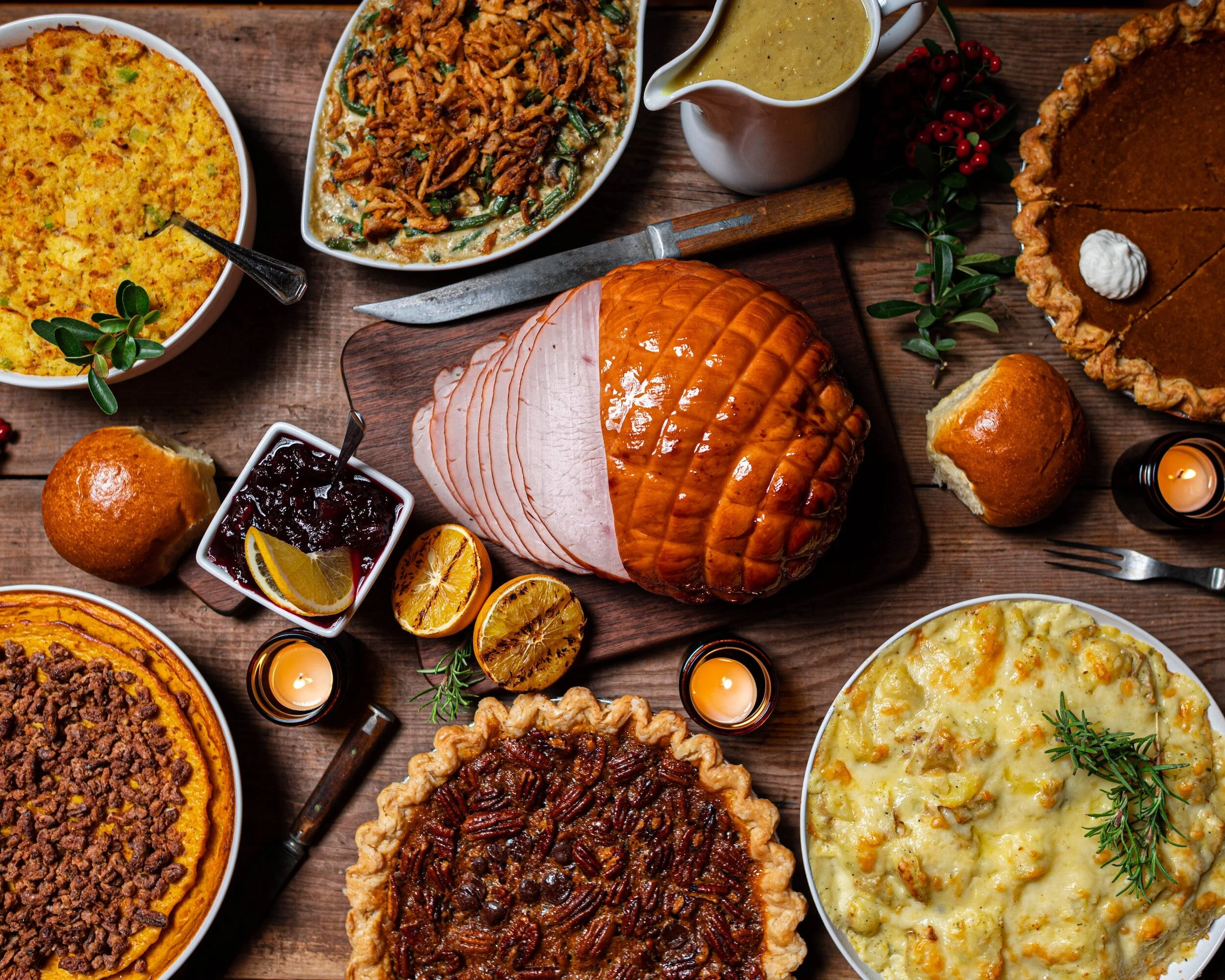
Just remember–the Thanksgiving holiday rolls around once a year. Enjoy the day, the foods that come with it, and make the most of time with loved ones!